The End of the Berlin Blockade
On May 12, 1949, the Soviet Union lifted the blockade of West Berlin, which had been in place for nearly a year. The blockade was a major crisis in the Cold War, and its end was a victory for the West.
The blockade began on June 24, 1948, when the Soviets blocked all road and rail traffic into West Berlin. The Soviets were trying to force the Western Allies to abandon West Berlin, which was located deep within Soviet-controlled East Germany.

The Western Allies responded by launching a massive airlift to supply West Berlin. The airlift brought in over 2.3 million tons of food, fuel, and other supplies, enough to keep West Berlin alive.
The Soviets were unable to break the airlift, and the blockade was finally lifted on May 12, 1949. The end of the blockade was a major victory for the West, and it showed that the Soviet Union could not simply force its will on the Western Allies.
The Berlin Blockade was a major turning point in the Cold War. It showed that the West was determined to resist Soviet aggression, and it helped to solidify the division of Europe into two blocs. The blockade also led to the creation of the North Atlantic Treaty Organization (NATO), a military alliance that would help to protect Western Europe from Soviet aggression.
The end of the Berlin Blockade was a major victory for freedom and democracy. It showed that the West would not give in to Soviet pressure, and it helped to ensure that Europe would remain free from Soviet domination. The blockade is a reminder of the importance of standing up to tyranny, and it is a symbol of the triumph of freedom over oppression.
Ernst Reuter
Ernst Reuter was the mayor of West Berlin during the Berlin Blockade. He was a strong advocate for the city and its people, and he played a key role in the successful airlift that brought in supplies to West Berlin. Reuter was a charismatic and inspiring leader, and he helped to rally the people of West Berlin during a difficult time. He is remembered as a hero of the Cold War, and his legacy continues to inspire people around the world.
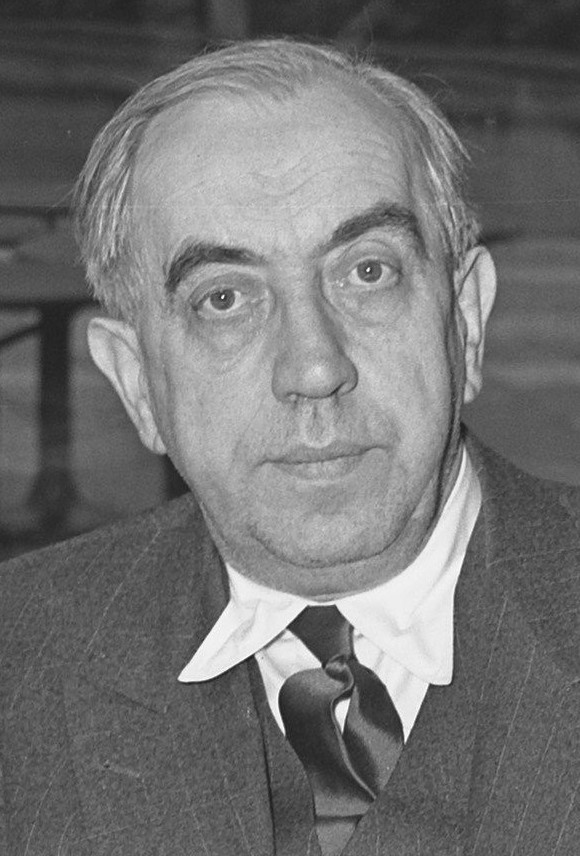
Ernst Reuter was a German politician who served as the mayor of West Berlin from 1948 to 1953. He was a key figure in the city's resistance to the Soviet blockade of West Berlin during the Cold War.
Reuter was born in 1889 in Apenrade, Schleswig-Holstein, which was then part of the German Empire. He studied political science and history at the universities of Marburg, Münster, and Munich. After graduating, he worked as a journalist and editor for several newspapers.
In 1912, Reuter joined the Social Democratic Party of Germany (SPD). He was elected to the Reichstag, the German parliament, in 1920. He served as the mayor of Magdeburg from 1931 to 1932.
After the Nazi Party came to power in 1933, Reuter was arrested and imprisoned. He was released in 1934 and fled to Turkey, where he lived in exile until 1945. After World War II, Reuter returned to Germany and became active in the SPD. He was elected mayor of West Berlin in 1948.
As mayor, Reuter was a strong advocate for the city and its people. He played a key role in the successful airlift that brought in supplies to West Berlin during the Soviet blockade. Reuter was a charismatic and inspiring leader, and he helped to rally the people of West Berlin during a difficult time. Reuter died in office in 1953. He is remembered as a hero of the Cold War and a symbol of the triumph of freedom over oppression.
'Journey to the day(ENG)' 카테고리의 다른 글
| [May 16th, 1949] The Birth of Modern Analytical Computing (0) | 2023.05.16 |
|---|---|
| [May 13th, 1981] Pope John Paul II Survives Assassination Attempt (0) | 2023.05.13 |
| the opening of the first Parliament of Great Britain (0) | 2023.05.11 |
| [May 10th, 1869] The First Transcontinental Railroad in the United States (0) | 2023.05.10 |
| [May 9th, 1945] Victory Day (0) | 2023.05.09 |



댓글