On June 16th, throughout history, several remarkable events have unfolded. However, one event that stands out prominently is the Battle of Waterloo, a pivotal moment in European history. This monumental clash took place on June 18, 1815, between the forces of Napoleon Bonaparte, the French military genius, and the combined armies of the Seventh Coalition, led by the Duke of Wellington and Field Marshal Blücher. The outcome of this epic encounter forever altered the geopolitical landscape of Europe. Join me as we delve into the story of the Battle of Waterloo and its far-reaching consequences.
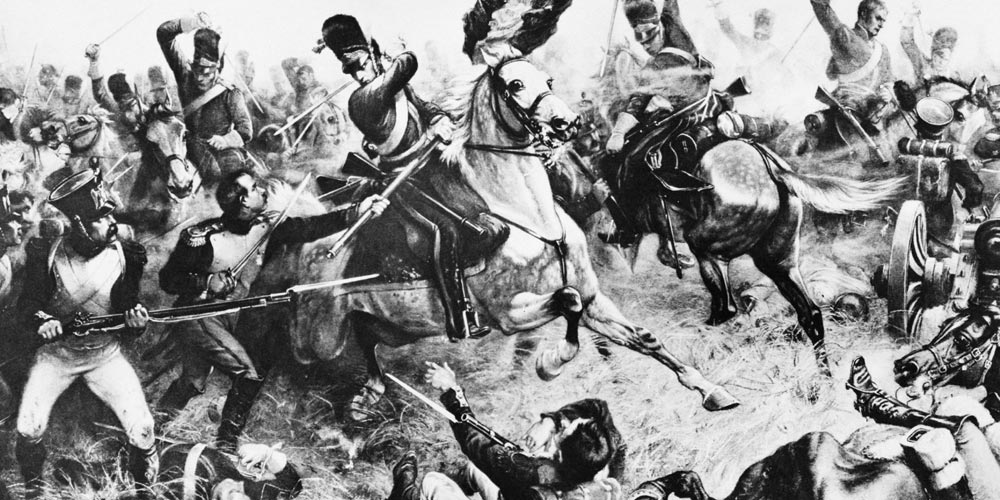
The Prelude
To comprehend the magnitude of the Battle of Waterloo, we must delve into the context leading up to it. Napoleon Bonaparte, the prodigious French military leader, had risen to power and conquered much of Europe during the early 19th century. However, his ambitious pursuit of dominance led to a series of coalitions forming against him, determined to halt his expansionist ambitions. The Seventh Coalition, consisting of the United Kingdom, Prussia, Russia, Austria, and other European powers, set out to confront Napoleon and bring an end to his dominance.
The Battle Unfolds
On June 16, 1815, Napoleon's forces crossed the border into modern-day Belgium, seeking to engage the Anglo-Allied forces led by the Duke of Wellington. Meanwhile, Field Marshal Blücher and the Prussian army were marching to reinforce Wellington's troops. The stage was set for a climactic showdown.
As June 18 dawned, the Battle of Waterloo commenced. Napoleon, renowned for his tactical brilliance, aimed to divide and conquer the Allied forces, seeking to crush them individually. However, Wellington's strategic positioning, which incorporated a fortified ridge known as Mont Saint-Jean, proved to be a formidable obstacle. The British and Allied troops defended their ground tenaciously, holding off wave after wave of French assaults.
Blücher's arrival on the battlefield later in the day marked a turning point. With fresh Prussian troops joining the fray, the Allied forces regained their momentum and initiated a counterattack. This combined assault pushed the French forces into retreat, sealing their fate. As night fell, the Battle of Waterloo concluded with a decisive victory for the Seventh Coalition.
The Aftermath
The Battle of Waterloo brought an end to Napoleon's rule and marked the final chapter of the Napoleonic era. Napoleon was subsequently forced to abdicate, and he was exiled to the remote island of Saint Helena, where he would spend the remainder of his days.
The significance of Waterloo extended far beyond the fall of one man. The battle reshaped the European balance of power, paving the way for an era of relative stability and cooperation. It solidified the United Kingdom's position as a leading global power and heralded a new era of British dominance. Additionally, the Congress of Vienna, which followed the battle, sought to establish a new European order, fostering diplomatic efforts to maintain peace on the continent.
The Battle of Waterloo stands as a seminal event in European history. It marked the culmination of Napoleon's military ambitions, the end of an era, and the dawn of a new geopolitical landscape. The bravery and resilience displayed by the Allied forces, particularly under the leadership of Wellington and the timely intervention of Blücher's Prussian army, ensured that Europe would embark on a path towards stability and cooperation. The echoes of Waterloo still resonate today, reminding us of the indomitable spirit of those who fought and the lasting impact of their triumph.
Arthur Wellesley
Arthur Wellesley, born on May 1, 1769, in Dublin, Ireland, was an exceptional military leader and statesman. He was the son of an aristocratic family and received an education at Eton and the Royal Military Academy at Angers. Wellesley's military career began in 1787 when he purchased a commission in the British Army.
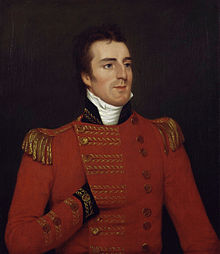
Wellesley's rise to prominence came during the Napoleonic Wars. He demonstrated his strategic acumen and leadership abilities in several campaigns, earning him the rank of Major-General and the title of Viscount Wellington. His military successes in Portugal and Spain, where he defeated Napoleon's forces in the Peninsular War, earned him widespread acclaim.
However, it was his role in the Battle of Waterloo that secured his place in history. As the commander of the Anglo-Allied forces, Wellington led his troops with remarkable skill and determination. He carefully chose the defensive position of Mont Saint-Jean, utilizing the ridge to his advantage.
Throughout the day-long battle, Wellington's forces withstood repeated attacks from Napoleon's army. His steadfast leadership and unwavering resolve inspired his troops to hold their ground against overwhelming odds. Wellington's strategic maneuvers, coupled with the timely arrival of the Prussian army under Field Marshal Blücher, ultimately tipped the scales in favor of the Allies.
Wellington's victory at Waterloo solidified his reputation as one of Britain's greatest military leaders. He returned to England as a national hero and was subsequently granted the title of Duke of Wellington. In later years, Wellington would go on to serve as a prominent political figure, holding various governmental positions, including Prime Minister of the United Kingdom.
Arthur Wellesley's legacy as the Duke of Wellington and his pivotal role in the Battle of Waterloo remain etched in history. His leadership, tactical brilliance, and unwavering determination in the face of adversity make him a figure of admiration and respect. The Battle of Waterloo and the triumph of the Allied forces under Wellington's command continue to serve as a testament to his remarkable abilities and enduring impact on European history.
'Journey to the day(ENG)' 카테고리의 다른 글
| [July 20th, 1973] Remembering the Legend: The Mysterious Death of Bruce Lee (0) | 2023.07.20 |
|---|---|
| [June 25th, 1876] The Battle of Little Bighorn (0) | 2023.06.25 |
| [May 20, 1862] President Abraham Lincoln signs the Homestead Act into law (0) | 2023.05.20 |
| [May 17th, 1943] Dam Busters Raid (0) | 2023.05.17 |
| [May 16th, 1949] The Birth of Modern Analytical Computing (0) | 2023.05.16 |



댓글