One famous event that took place on June 25th in history is the Battle of Little Bighorn, also known as Custer's Last Stand, which occurred in 1876. This significant battle between the United States Army's 7th Cavalry Regiment and Native American tribes, primarily the Lakota Sioux, Cheyenne, and Arapaho, unfolded along the banks of the Little Bighorn River in Montana.
The Battle of Little Bighorn
The Battle of Little Bighorn was part of the larger conflict known as the Great Sioux War, which arose due to tensions between Native American tribes and the U.S. government over land rights and encroachment on their territories. Led by Lieutenant Colonel George Armstrong Custer, the 7th Cavalry aimed to force Native Americans back to their reservations.
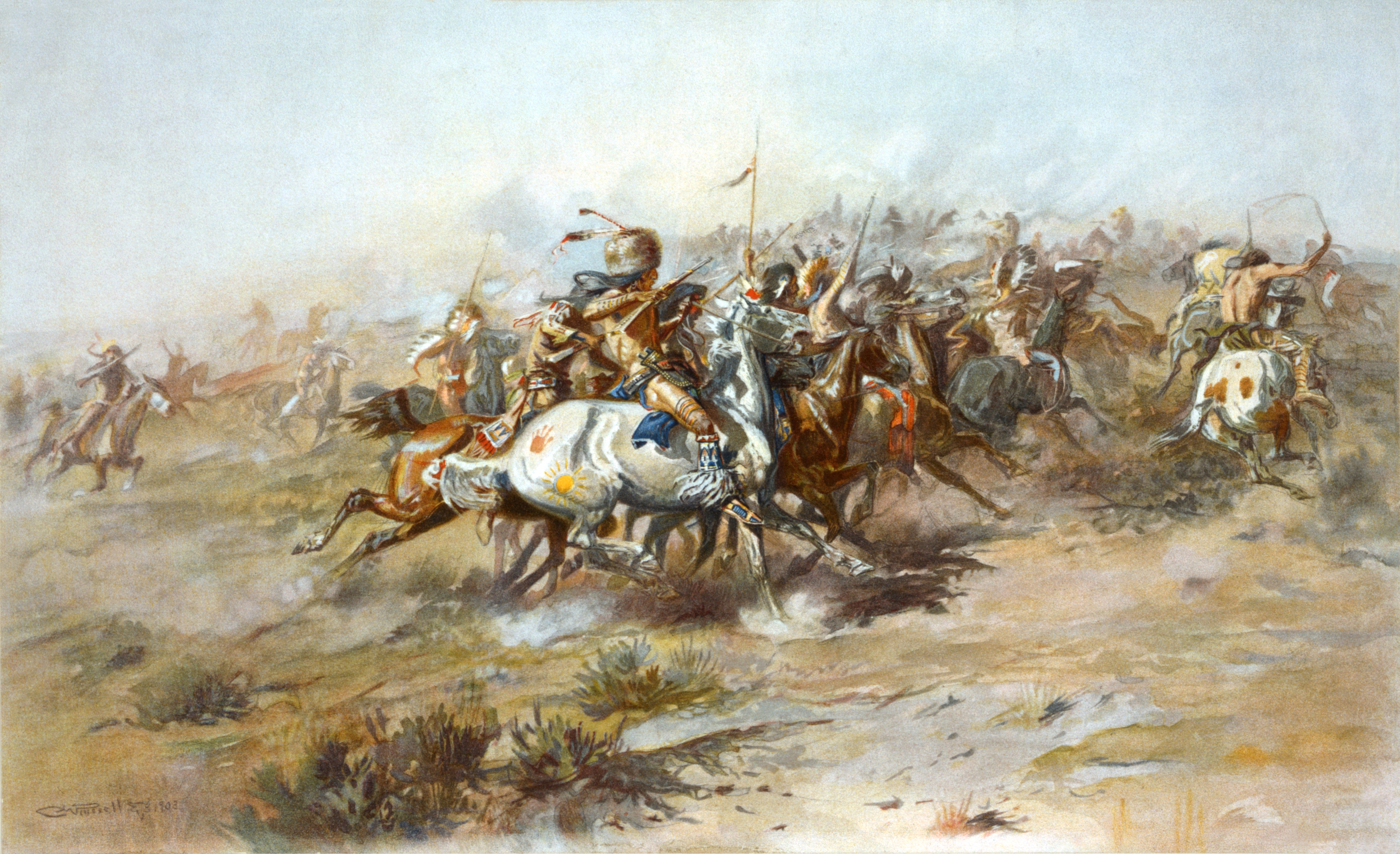
On that fateful day of June 25th, Custer divided his regiment into three battalions to surround the Native American encampment, underestimating the size and strength of the opposing forces. However, the Native American alliance, led by notable figures like Sitting Bull and Crazy Horse, possessed superior numbers and a formidable knowledge of the terrain.
As the battle ensued, Custer's battalion faced overwhelming resistance from the Native American warriors. Despite fierce resistance, Custer's forces were ultimately outnumbered and outmaneuvered, leading to their devastating defeat. Custer and his entire battalion of more than 200 soldiers were killed, marking a significant victory for the Native American tribes.
The Battle of Little Bighorn had profound consequences for both sides. For the Native American tribes, it was a symbol of their resistance against encroachment and a testament to their ability to defend their way of life. However, it also intensified the U.S. government's determination to suppress Native American resistance, leading to further military campaigns and eventual confinement to reservations.
The Battle of Little Bighorn continues to be a subject of historical analysis and debate, with various interpretations and perspectives on the events and their significance. It stands as a poignant reminder of the complex and often tragic interactions between Native American tribes and the expanding United States during the 19th century.
As we reflect on the events of June 25th, 1876, we are reminded of the importance of understanding history from multiple viewpoints and recognizing the lasting impacts of conflicts such as the Battle of Little Bighorn in shaping the trajectory of nations and the lives of individuals involved.
Lieutenant Colonel George Armstrong Custer
One notable person related to the Battle of Little Bighorn is Lieutenant Colonel George Armstrong Custer, who commanded the U.S. Army's 7th Cavalry Regiment during the battle. Custer was a controversial figure known for his military career, particularly his actions during the American Civil War and his ultimate fate at the Battle of Little Bighorn.
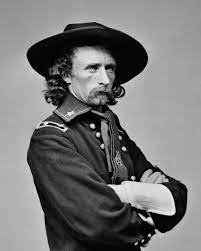
Born on December 5, 1839, in New Rumley, Ohio, Custer gained fame as a Union cavalry officer during the Civil War. He displayed remarkable bravery and audacity in combat, leading his troops in numerous engagements and achieving notable victories. Custer's flamboyant personality and distinctive appearance, with his long blond hair and flamboyant uniforms, further contributed to his fame.
Following the Civil War, Custer was appointed Lieutenant Colonel of the newly formed 7th Cavalry Regiment. It was during the Great Sioux War that he found himself engaged in the Battle of Little Bighorn on June 25, 1876. Custer's decision to divide his forces and engage the Native American tribes head-on ultimately led to his own demise and the annihilation of his battalion.
Custer's actions and fate at the Battle of Little Bighorn have been a subject of great interest and controversy. Some view him as a reckless and arrogant leader, blaming him for the defeat due to his tactical errors. Others see him as a brave soldier who fought valiantly against overwhelming odds.
The Battle of Little Bighorn, often referred to as "Custer's Last Stand," cemented Custer's place in history and turned him into a legendary figure. His death and the loss of his entire battalion became a rallying cry for the U.S. government, leading to increased military campaigns against Native American tribes and heightening tensions between the indigenous peoples and the expanding United States.
Today, George Armstrong Custer's legacy remains intertwined with the complex history of the American West and the struggles between Native American tribes and the U.S. government. The Battle of Little Bighorn serves as a reminder of the clashes and consequences that arose from competing interests and differing worldviews during that era.
'Journey to the day(ENG)' 카테고리의 다른 글
| [July 20th, 1973] Remembering the Legend: The Mysterious Death of Bruce Lee (0) | 2023.07.20 |
|---|---|
| [June 16th, 1815] The Battle of Waterloo (0) | 2023.06.16 |
| [May 20, 1862] President Abraham Lincoln signs the Homestead Act into law (0) | 2023.05.20 |
| [May 17th, 1943] Dam Busters Raid (0) | 2023.05.17 |
| [May 16th, 1949] The Birth of Modern Analytical Computing (0) | 2023.05.16 |



댓글