Remembering the Tragedy of Chernobyl
On April 24th, 1986, the world witnessed one of the most devastating nuclear disasters in history - the explosion at the Chernobyl nuclear power plant in Pripyat, Ukraine. This tragic event not only had a profound impact on the local area, but also left a lasting mark on the global community.
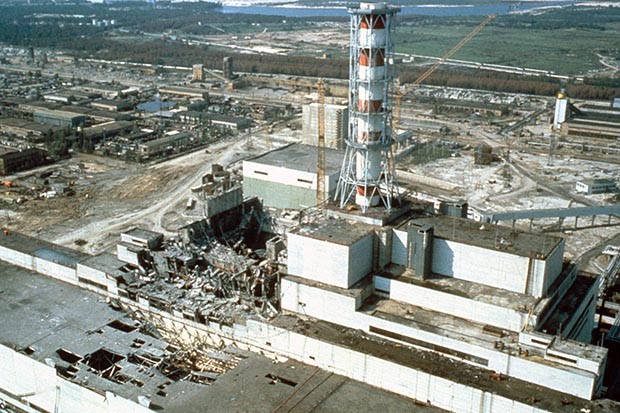
The Chernobyl disaster occurred during a routine safety test at reactor number four of the Chernobyl power plant. Due to a combination of design flaws, human error, and a series of unfortunate events, a catastrophic explosion occurred, releasing a massive amount of radioactive materials into the atmosphere. The explosion was followed by a fire that burned for days, releasing radioactive smoke and particles, which were carried by the wind and spread across large areas of Ukraine, Belarus, and other nearby regions.
The immediate aftermath of the explosion was chaotic, as plant workers and emergency responders struggled to contain the damage and mitigate the risks. Two plant workers were killed instantly, and over the following days and weeks, dozens of firefighters and plant workers succumbed to acute radiation sickness, with many suffering from severe burns, organ damage, and other life-threatening injuries. The Soviet government initially downplayed the severity of the incident, but eventually had to evacuate over 100,000 people from the affected areas and establish a 30-kilometer exclusion zone around the plant to prevent further exposure to radiation.
The environmental and health impacts of the Chernobyl disaster were far-reaching and continue to be felt today. The explosion released approximately 400 times more radioactive material than the Hiroshima atomic bomb, contaminating soil, water, and air with dangerous levels of radiation. The long-term health effects on the local population have been staggering, with an increased incidence of cancers, birth defects, and other radiation-related illnesses reported in the years that followed. The environmental impact has also been significant, as large areas of land remain contaminated and uninhabitable for humans, and wildlife populations have been affected by the radiation.
The Chernobyl disaster also had a profound impact on the global nuclear industry and the perception of nuclear energy. It prompted a reevaluation of safety measures and regulations in nuclear facilities worldwide, and raised awareness about the potential dangers and consequences of nuclear accidents. It also led to increased efforts to improve the safety of existing nuclear power plants and to develop safer designs for future plants.
Today, the Chernobyl disaster serves as a somber reminder of the risks and consequences associated with nuclear energy. It stands as a stark example of the importance of prioritizing safety and preparedness in any industry that deals with potentially hazardous materials. It also serves as a memorial to the brave firefighters, plant workers, and emergency responders who risked their lives to contain the disaster and protect others.
As we remember the events of April 24th, 1986, let us honor the victims and survivors of the Chernobyl disaster, and strive to learn from the mistakes of the past to ensure a safer and more sustainable future for generations to come. May we never forget the lessons of Chernobyl and continue to work towards responsible and safe practices in all aspects of our lives.
Valery Legasov
One person who is closely associated with the story of the Chernobyl disaster is Valery Legasov. Legasov was a prominent Soviet chemist and an expert in nuclear energy who played a pivotal role in the aftermath of the disaster.
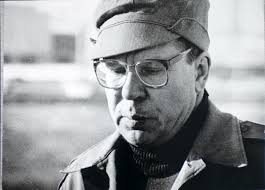
At the time of the explosion, Legasov was the deputy director of the Kurchatov Institute of Atomic Energy in Moscow and a member of the Soviet government's commission assigned to investigate the Chernobyl disaster. He was one of the first officials to arrive at the scene of the explosion and was tasked with assessing the severity of the accident and coordinating efforts to contain the damage.
Legasov's expertise and leadership were crucial in the initial response to the disaster. He was instrumental in developing strategies to extinguish the fires at the reactor site and prevent further releases of radioactive materials. He also participated in the dangerous task of manually draining water from the flooded basement of the reactor to prevent a second explosion.
In the aftermath of the disaster, Legasov spoke candidly about the design flaws and human errors that had led to the explosion, despite facing resistance from Soviet authorities. He was an advocate for transparency, urging the Soviet government to acknowledge the severity of the accident and take appropriate measures to protect the public and mitigate the environmental and health impacts.
Legasov's efforts to reveal the truth about the Chernobyl disaster and his recommendations for improving nuclear safety made him a prominent figure in the global discourse on nuclear energy. However, his outspokenness and criticism of the Soviet government's handling of the crisis led to his falling out of favor with authorities. In 1988, two years after the disaster, Valery Legasov died under mysterious circumstances, believed to be suicide.
Despite the challenges he faced, Legasov's contributions to the investigation and management of the Chernobyl disaster are widely recognized. His efforts to reveal the truth about the incident and advocate for improved safety measures have left a lasting legacy, emphasizing the importance of transparency, accountability, and safety in the field of nuclear energy.
'Journey to the day(ENG)' 카테고리의 다른 글
| [May 10th, 1869] The First Transcontinental Railroad in the United States (0) | 2023.05.10 |
|---|---|
| [May 9th, 1945] Victory Day (0) | 2023.05.09 |
| [April 21st, 1926] The Birth of Queen Elizabeth II (0) | 2023.04.21 |
| [April 19th, 1775] A Historic Day for American Independence (0) | 2023.04.19 |
| [April 17th, 1961] Bay of Pigs invansion (0) | 2023.04.17 |



댓글